October 10, 2024 - Week 37
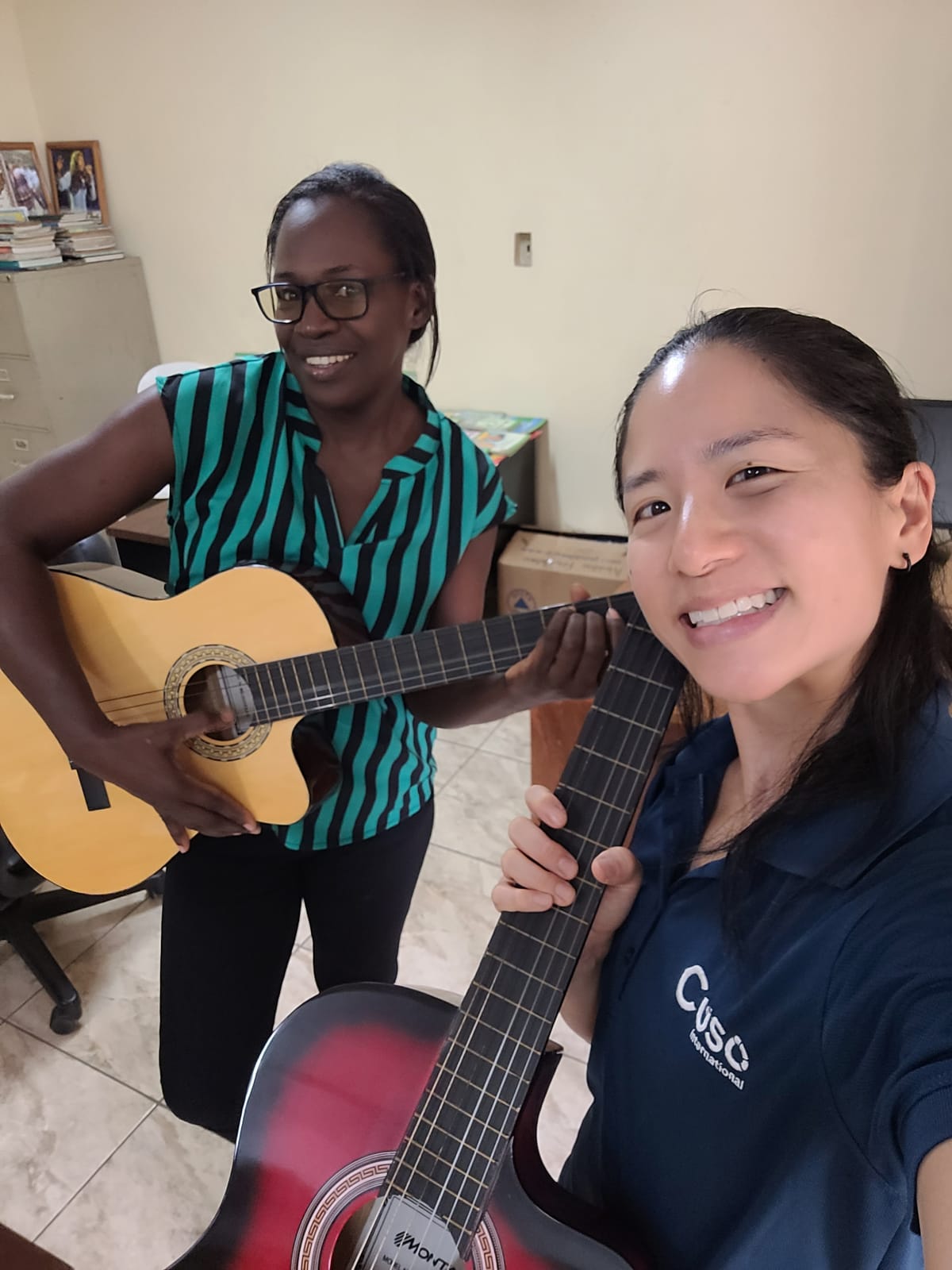
The second Disability Advocacy workshop was held this week for the teachers and parents. Similar to the workshop held previously for the students, I was humbled by some of the personal stories shared and also enlightened as to how differently Jamaicans viewed disability and what is appropriate behaviour.
Speakers from the Jamaican Council for People with Disability, Jamaica Association for the Deaf, and the Disabilities Rights Tribunal came to educate all on the Disabilities Act, what it means to be an advocate for a child/student with Disability, and challenge misconceptions. Whilst Canada is busy worrying about the usage of pronouns and funding for gender transformation, Jamaica is still educating its citizens on accepting people who are blind, deaf, intellectually disabled and not calling them "dumb", "retarded" etc
Some of the lived experiences shared include: being labeled a 'bad mother' because their autistic child 'ruined' another child's birthday party, being told to sign next to the "X" mark on a form at a financial institution when the individual was blind, being treated as dumb, being frowned upon as cheating the system when using a concession pass for PwD when they do not "look" disabled. One pointed experience told of donors wanting a PR photo with the PwD, however they always want to take photos with those who "look" disabled.
Many experiences were told, which were the result of ignorance but also reflected the active contempt shown to PwD—as people who are abnormal, a hindrance, and second-class citizens who should be hidden from the public.
Jamaica as a whole is not a physically friendly place to walk/take public transit even for those who do not have a disability. It took some time for the coordinators even to find a location that is wheelchair accessible and has an easy exit/good lighting etc for this workshop. I rarely see Disabled Toilets, ramps, or doors with sufficient room for a blind person/wheelchair person to access. Assistive devices are expensive and politicians themselves, who are the main source of financial support, are themselves ignorant of the disabled community and their needs.
Two main "cultural" differences I took from this workshop include alcohol and US activists. One speaker encouraged parents to introduce their children to the different smells of alcohol so that they are aware of what they are drinking or could be spiked with. I stared in shock at the comment and heard a fellow teacher with young kids say "Oh, I didn't think of that!"
Another speaker glorified US activists who chained themselves together outside a US government building to demand change. This was recounted in a way meant to inspire courage to stand up for change, but the speaker did not seem to appreciate the counterproductive disturbance such loud activism can cause for the rest of society when addressing a specific 'right'.
I find that Jamaicans seem to both tolerate ill-treatment (because it is expected) and also be nonchalantly blunt in their demands/opinions. There is no space (yet) to be concerned about political correctness or hurting feelings, as some have clarified when I ask about certain 'sensitive' topics: "That is an American Black issue".